What is the vernal equinox ?
Vernal Equinox Day in Japan, known as Shunbun no Hi (春分の日), is a national holiday celebrated annually around March 20 or 21, depending on the year. It marks the astronomical start of spring in the Northern Hemisphere when day and night are approximately equal in length.

Historical background
The equinox has long been important in Japan’s agrarian culture. It marks the transition to spring, a time for planting crops and expressing gratitude for nature’s blessings. For these reasons, in ancient Japan, the Vernal Equinox marked an important turning point in the agricultural calendar. Farmers honored the deities of nature, offering prayers for bountiful harvests and expressing gratitude for the blessings of the land.
Also the day is reflected in Shintoism, which reveres natural phenomena and ancestral spirits. Seasonal changes, like the equinox, were seen as times of spiritual balance and renewal. Rituals during the equinox reflected a deep connection to natural cycles.
During the 6th century, when Buddhism spread to Japan, the Vernal Equinox became associated with the Buddhist Higan (彼岸) tradition. Higan means “the other shore,” symbolizing the crossing from the world of suffering to enlightenment. During Higan, families visit graves, clean them, offer flowers, and pay respects to ancestors.
With the Meiji Era (1868–1912), the equinox was formally acknowledged as part of state Shinto rituals under the Emperor’s authority. These ceremonies honored imperial ancestors and the kami (deities) associated with agriculture and nature.
After World War II, the Japanese government secularized many holidays to distance them from the state Shinto. Shunbun no Hi was established as a public holiday in 1948. Its purpose was defined as “a day to honor nature and show love for all living things.”
Cultural significance
Shunbun no Hi is meant to honor nature and celebrate the harmony of all living things, reflecting Japan’s emphasis on seasonal change and respect for the environment. The holiday is deeply tied to Japan’s natural and spiritual traditions. The balance of day and night on this day symbolizes harmony and balance in life, making it an occasion for mindfulness and gratitude. The day symbolizes new beginnings, growth, and harmony, aligning with the natural rejuvenation of spring. The equinox serves as a time to honor ancestors, maintain family connections, and reflect on life’s balance. This reflects the Buddhist philosophy of balance and enlightenment.
Activities during the vernal equinox
Families often gather to visit and clean ancestral graves, offer incense, and pray for their loved ones. This activity emphasizes respect for ancestors and gratitude for family connections.
It’s also the time to try some seasonal foods such as botamochi (ぼたもち), sweet rice cakes covered in red bean paste, are commonly eaten. The dish is symbolic : the glutinous rice represents a connection to ancestors while the red color of the azuki beans is believed to ward off evil spirits. People also enjoy spring-inspired dishes, such as fresh vegetables, wild plants, and sakura-themed snacks.
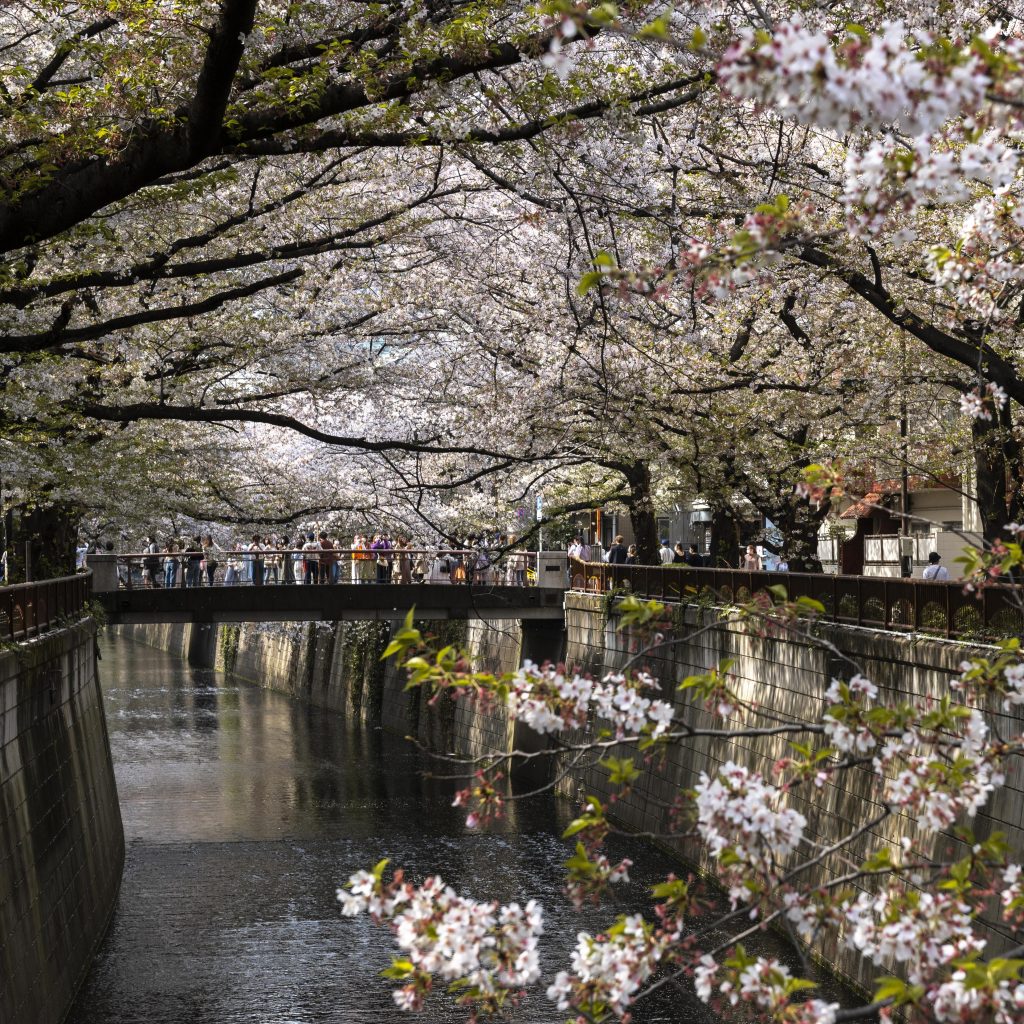
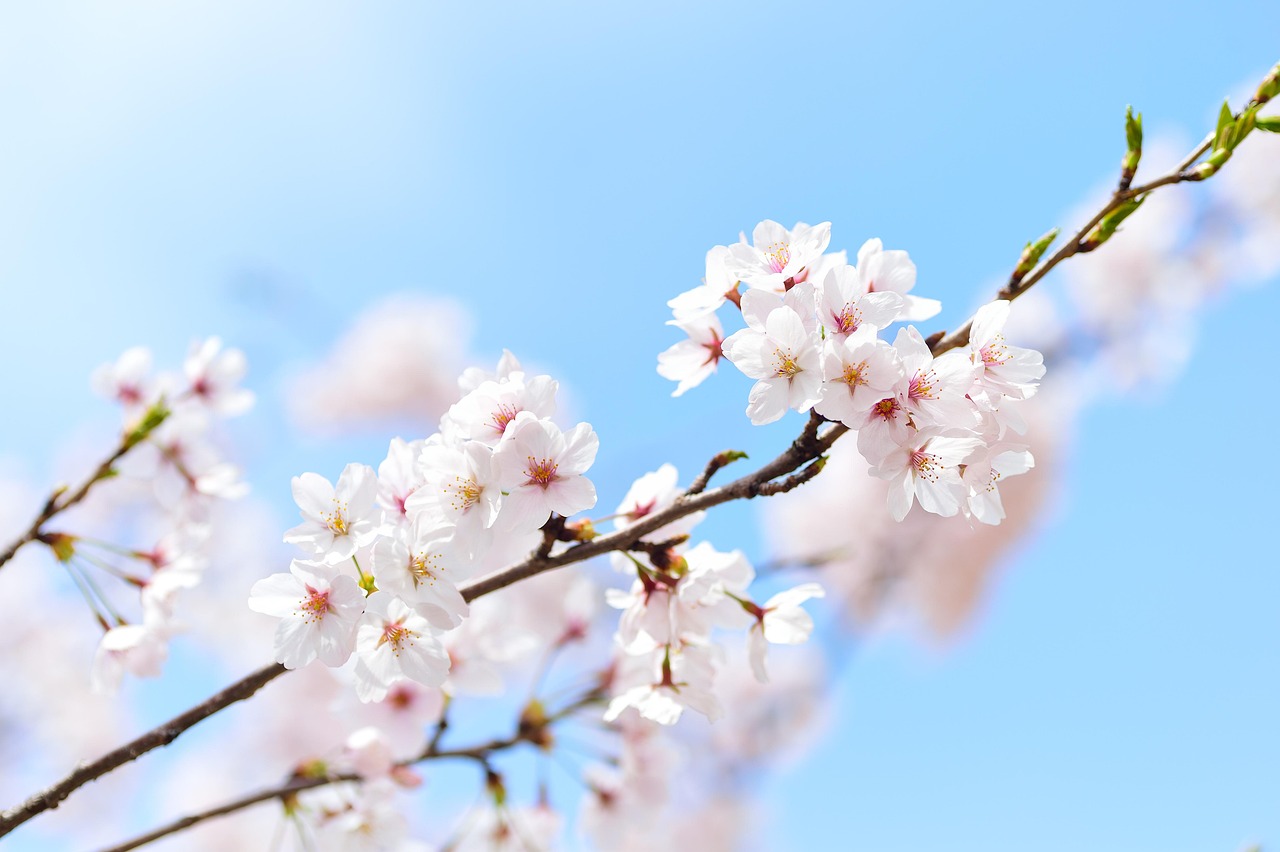
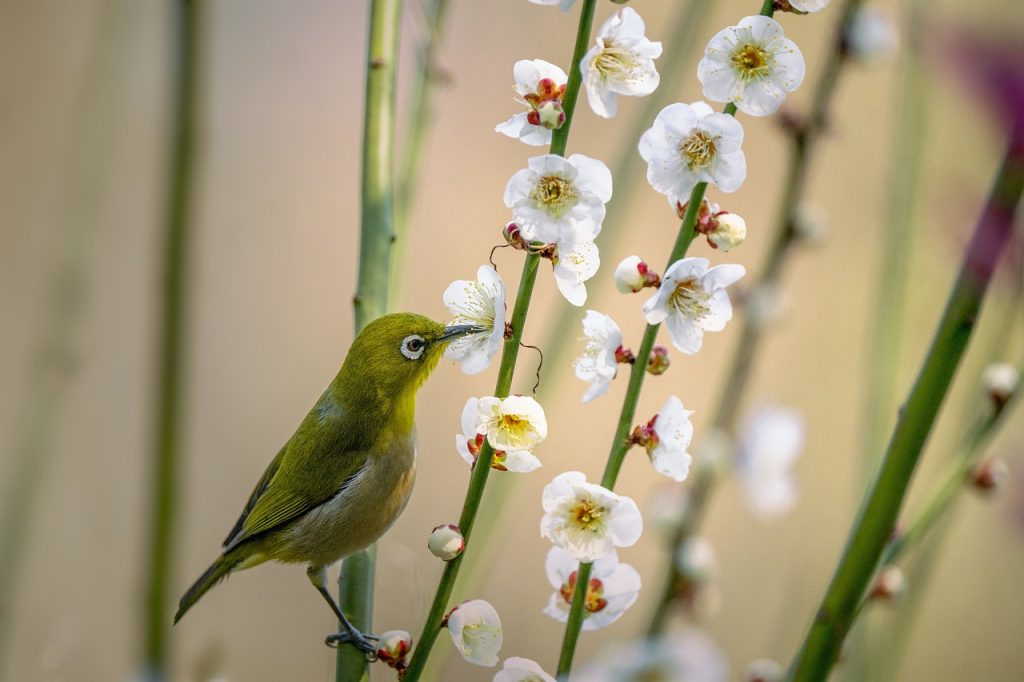
People use the day to reconnect with family and reflect on their connection to nature. Families often come together to spend quality time. Nature walks and hikes are popular as people celebrate the season’s renewal. People visit parks, temples, or shrines to enjoy the blooming of early spring flowers, such as cherry blossoms (sakura) and plum blossoms (ume).
Some people visit Buddhist temples to participate in special services. Temples often host ceremonies at this time of year. Inspired by the season’s themes of renewal, some families undertake spring cleaning to declutter and purify their homes.